How to Read Supplement Labels with Confidence
A supplement label is a short story about what is inside, how much to take and who it is for. Once you know the layout, every bottle becomes easier to understand.
Here is a simple, friendly walkthrough of the panels that matter most, plus how Matcha Glide presents its formula.
Why the label is your best starting point
Walk down any wellness aisle and the front of every bottle shouts something bold. The real information sits elsewhere, in the smaller print on the back. Learning to read that print is one of the most useful habits you can build as an adult who cares about daily wellness, because it turns a marketing impression into actual facts you can compare.
The good news is that supplement labels follow a familiar structure. Once you recognise the sections, you can scan a bottle in under a minute and know exactly what you are holding.
Start with the front panel
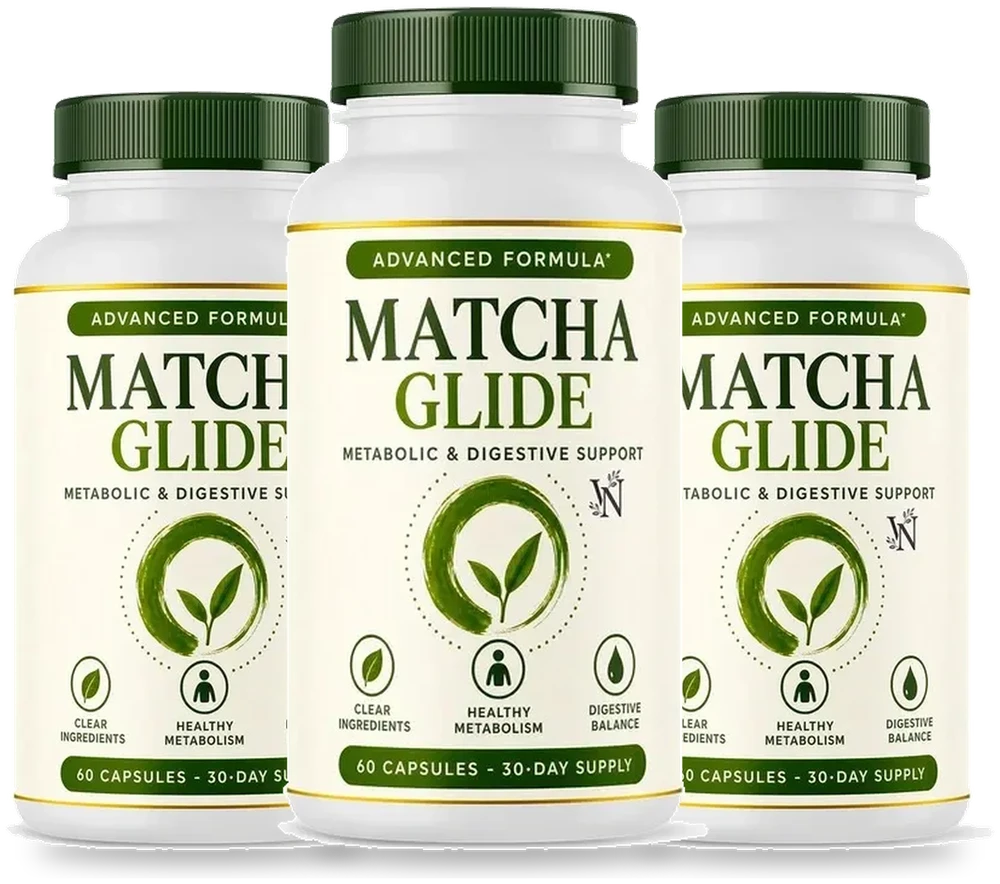
The front of the bottle tells you the product name, the form and the general purpose. On a Matcha Glide bottle you will see phrases such as Metabolic & Digestive Support, Healthy Metabolism and Digestive Balance, along with the count: 60 capsules, a 30-day supply. These are structure-function statements, which means they describe the area of everyday wellness a product is designed to support.
Look for the supply information too. A bottle that tells you how many days it lasts makes budgeting simple. Here, one bottle covers a full month when you follow the daily serving directions.
The Supplement Facts panel
This is the core of the label. The Supplement Facts panel is a standardised box that lists the serving size, the number of servings in the container and every active component in the formula. It is where a clear label earns its name.
- Serving size: the amount described as one serving, such as a set number of capsules.
- Servings per container: how many servings the bottle holds, which tells you how long it lasts.
- Active components: each named item in the formula, listed on the panel itself.
- Other ingredients: the supporting components, such as the capsule shell, listed beneath the main box.
Every active component in this formula is named on the Supplement Facts panel on the bottle, so the full detail is always in your hands when the bottle arrives. For a general overview of how these panels are structured, the NIH Office of Dietary Supplements fact sheets are an excellent public reference.
Directions and the daily serving
Next, find the directions line. It tells you how to take the product, and a clear one is short and specific. Matcha Glide asks you to take the daily serving as directed on the bottle label with water, which fits easily into a morning or midday routine. If you like to plan ahead, our guide to how to take capsules daily shows how to build the habit.
The label also states the intended audience. It is made for adults aged 18 and over, and that is stated plainly so there is no guesswork.
Reading the fine print on quality
Beyond the facts box, look for a statement about where and how the product was made. Phrases about manufacturing location and facility standards tell you something about the care behind the bottle. It is made in the USA in an FDA-registered, GMP-certified facility. You can explore what those terms mean in our article on quality and manufacturing standards.
Also look for a lot number and a best-by date. These small details show that a product is tracked from production to your doorstep, which is exactly what you would hope for from a brand you plan to use every day.
A quick checklist you can reuse
Keep this short routine in mind the next time you pick up any bottle:
- Check the serving size and how many servings the bottle contains.
- Read every named active component on the Supplement Facts panel.
- Confirm the intended audience and the daily directions.
- Look at the manufacturing statement for facility standards.
- Compare the cost per day, not just the sticker price.
That last point matters. Bundles bring the cost per bottle down: two bottles at $79 each plus shipping, three bottles at $69 each, or six bottles at $49 each, with free US shipping on the three and six bottle options. It is a one-time purchase with no subscription, and a 60-day money-back guarantee backs every order.
Common label phrases decoded
Labels use a handful of recurring phrases, and knowing them removes any mystery. A structure-function statement describes how a product supports a part of everyday wellness, such as digestive balance. A daily serving is the amount you take in one day. A supply statement tells you how many days a bottle lasts. When you see these three together, you can judge the value of a bottle quickly and fairly.
Take a few extra seconds to compare two bottles side by side. Line up the serving sizes, the number of servings and the price per day. This simple comparison gives you a far clearer picture than any front-of-bottle slogan, and it is a habit that serves you well in every aisle.
Clear labels, confident choices
A label should make your decision easier, not harder. When a product names its components on the panel, states its serving plainly and tells you who it is for, you can choose with calm confidence. That is the approach behind Matcha Glide, a clear, plant-inspired formula built for adults who want to support digestive balance and healthy metabolism as part of a thoughtful daily routine.
Want to see how the pieces fit together? Visit what is Matcha Glide for the overview, or head straight to the order page to choose the bundle that suits your routine.